
“Will You Still Love Me Tomorrow?” Love, trust & the future
What does it mean to say "I love you"? And how do these three words change our sense of ourselves, our commitments, and our future?
Latest news, writing, essays, thoughts, fragments, explorations etc.
What does it mean to say "I love you"? And how do these three words change our sense of ourselves, our commitments, and our future?
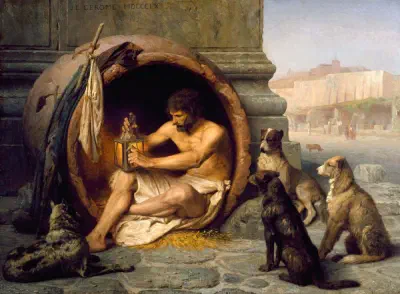
Diogenes was the original drop-out philosopher. A fierce critic of the hypocrisy of society, he chose instead to live in accord with nature.
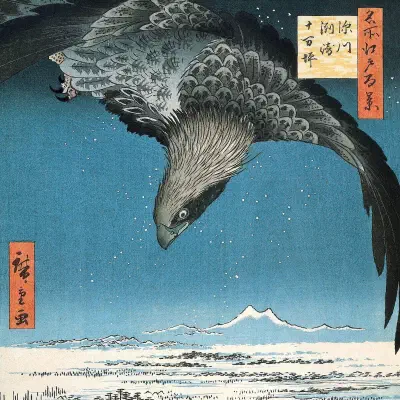
Does love lift us up where we belong? Or is it a kind of madness?

When reading philosophy, it's easy to feel under the obligation to read systematically. But why not give up on feelings of obligation, and read haphazardly?
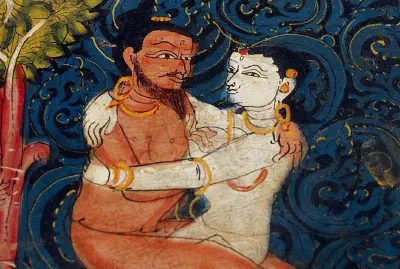
In this week's class, we are getting philosophical about desire, and asking questions about the philosophy of sex. Happy reading!
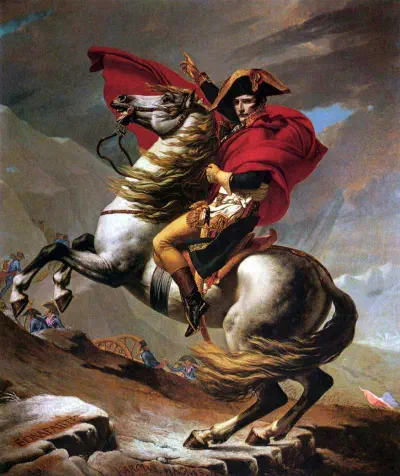
Often the advice is that we should read philosophy slowly and carefully. But there's a lot to be said for reading at a gallop.
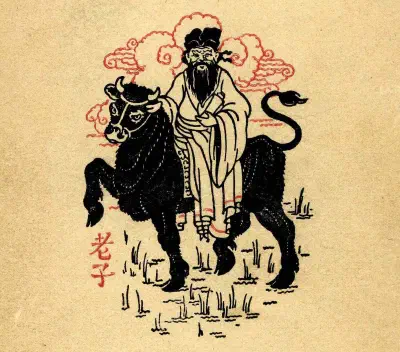
The legendary Chinese philosopher Laozi is associated with the long tradition of Daoism (or Taoism). But his work is famously elliptical and difficult.
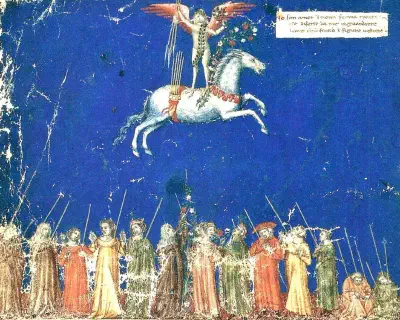
What are the limits of human love? Can we love everyone? Or should we only focus on those closest to us?
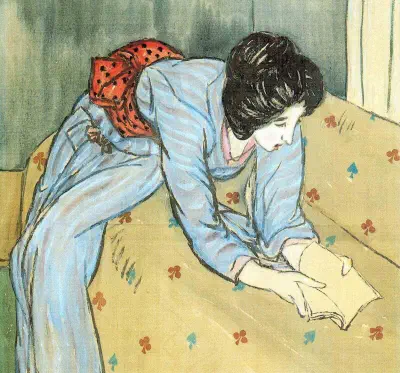
There are many ways you can read a philosophy book. In this first in a series of blog posts, I'm going to explore what it means to read philosophy differently.
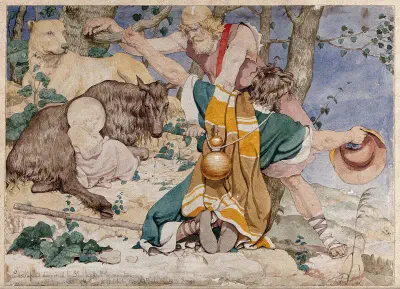
The Greek doctor and philosopher Alcmaeon was one of the earliest thinkers to systematically address questions of health and illness.
Amazonian social philosophies of love and community, and how for social primates, community is fundamental to how we live and love.

Writing fiction is like making bread. You need to know when to knead it, and when to just let it rise.